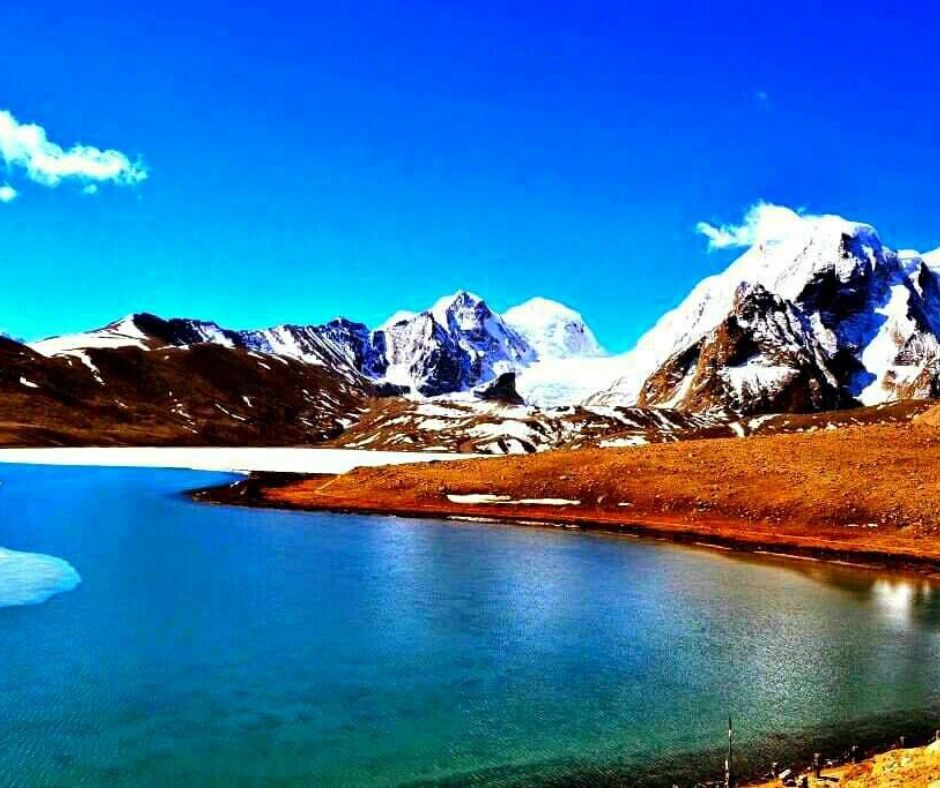
Top 10 Places in Arunachal Pradesh That Will Stay With You Forever
There are trips you take, and then there are trips that change you. Arunachal Pradesh belongs to the second kind.
This is not a place you visit once and move on. It stays with you, in the smell of pine trees after rain, in the echo of monastery bells at dawn, in the silence of valleys so wide and so still that you forget, just for a moment, that the rest of the world exists.
And in 2026, when every traveler is looking for something real, something that does not look like every other Instagram grid, Arunachal Pradesh keeps delivering what most destinations have already lost.
If you are planning a trip here, these are the 10 places that deserve actual time in your itinerary. Not just a quick stop. Not just a photo. Real time.
Tawang
Perfect for: First-time visitors, photography, spiritual experiences
Ideal trip length: 3–4 days minimum.
Reel-worthy spots: Madhuri Lake, Nuranang Waterfall, Tawang Monastery at sunrise.
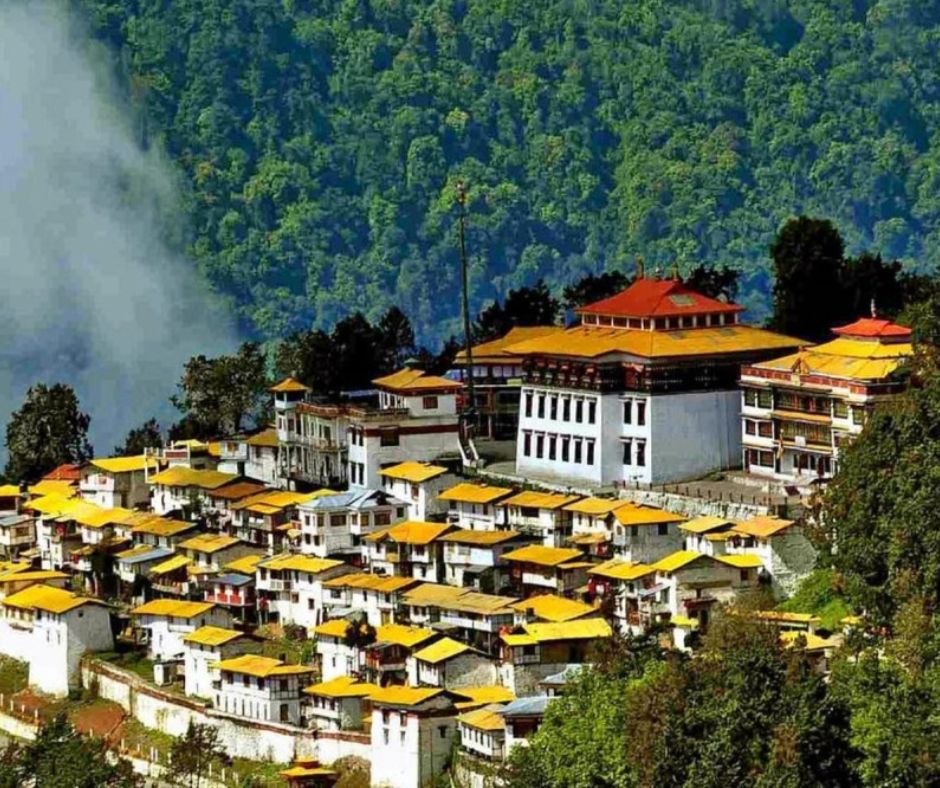
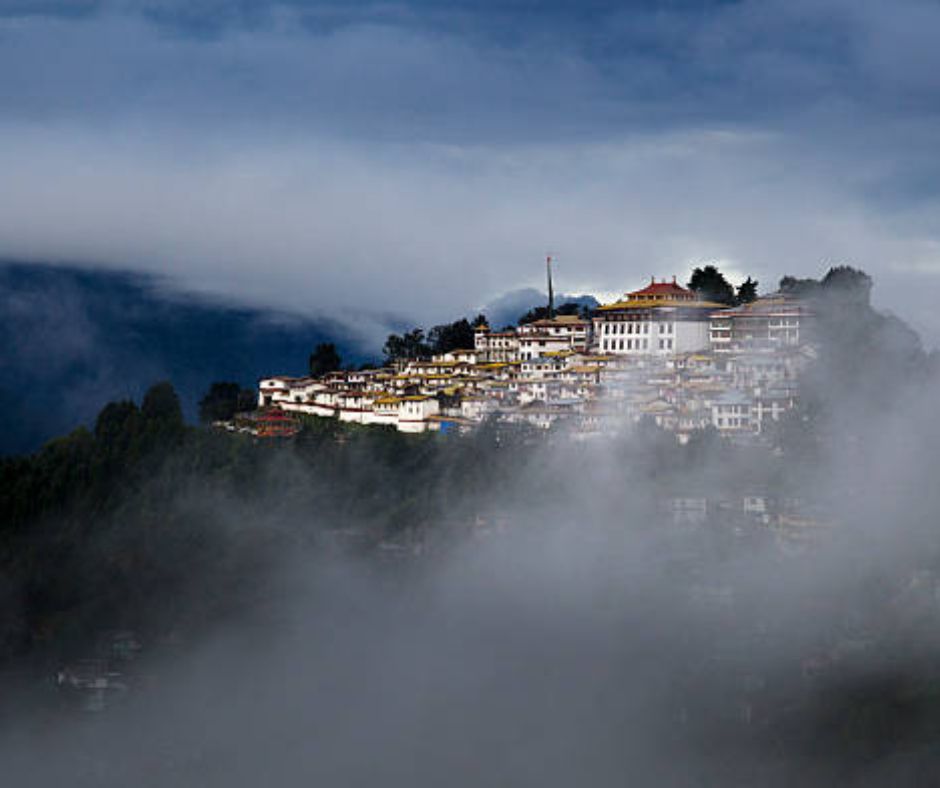
The first time you see Tawang Monastery sitting on a hilltop against an open sky, something shifts inside you.
It is not just the size of it, though at over 400 years old and home to more than 500 monks, it is one of the largest Buddhist monasteries in India. It is the feeling of the place. The smell of incense. The sound of prayers drifting through stone corridors in the early morning before tourists arrive.
Beyond the monastery, Tawang keeps giving. Madhuri Lake, named after Madhuri Dixit filmed a song here decades ago, mirrors the mountains around it in a way that makes your camera feel completely useless and completely necessary at the same time. Nuranang Waterfall drops from such a height that you hear it before you see it.
Local food to try: Thukpa (noodle soup), butter tea, and Khura (Tibetan pancakes) at any local dhaba near the monastery market.
Solo travel: Tawang is safe and well-connected. Solo travelers, including women, regularly visit without issues. Stay in the main town area for easy access to everything.
Best time to visit: March to June for clear skies and roads. December–January for snow.
Ziro Valley
Perfect for: Slow travelers, culture lovers, music festival fans.
Ideal trip length: 2–3 days.
Reel-worthy spots: Apatani rice fields at golden hour, traditional village homes, Talley Valley viewpoint.
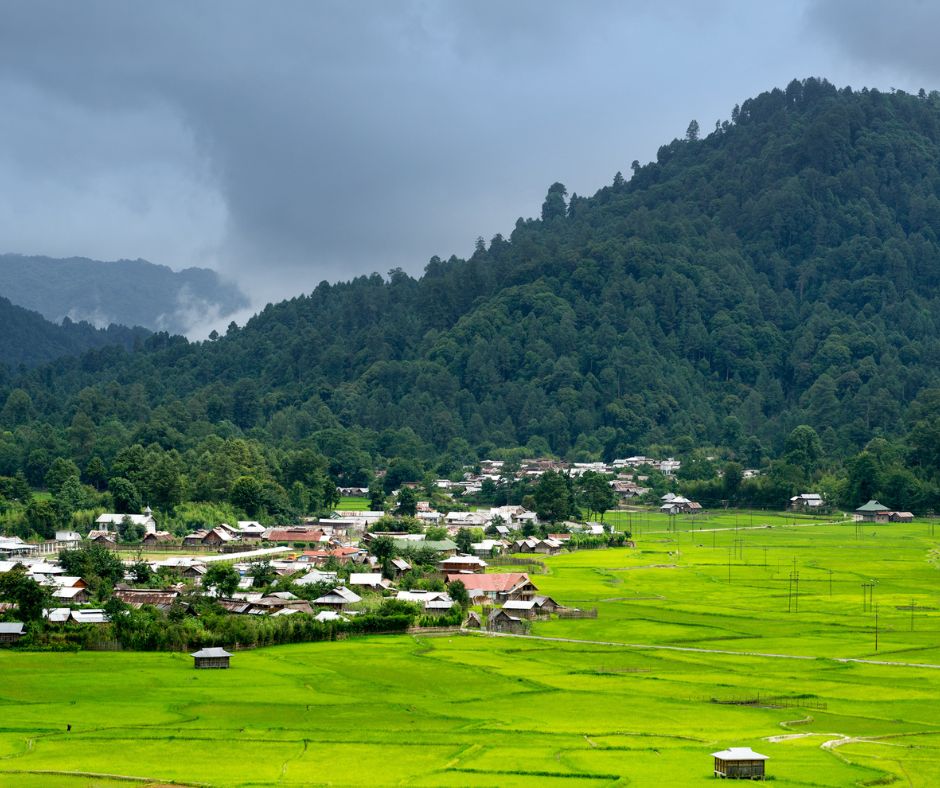
The moment you arrive, the pace of life changes completely. Rice fields stretch out in every direction, quiet and golden. The Apatani community, one of the most fascinating indigenous groups in Northeast India, carries a way of life that has stayed close to its roots for generations.
This is the kind of destination that looks absolutely stunning on camera but feels even better when you put the camera down. Cycling through the valley roads at dusk, sitting with a local family over a meal, watching farmers work in fields that have looked the same for centuries, these are not just travel moments. They are the kind of memories you talk about years later.
Local food: Pila Pitha (rice cake), smoked meat, and local rice beer called Apong, try it respectfully at a local home or guesthouse.
Ziro Music Festival: If you can plan your trip in September, the Ziro Festival of Music is one of India’s most unique outdoor music experiences, held right in the valley with mountains as the backdrop.
Best time to visit: March to October. September for the music festival.
Sela Pass — The 13,000-Feet Photo That Stops Scrolling
Perfect for: Adventure travelers, photographers, road trip lovers.
Ideal trip length: Half day stop on the way to Tawang.
Reel-worthy spots: Sela Lake reflection, snow-covered road in winter, the 101 Memorial.
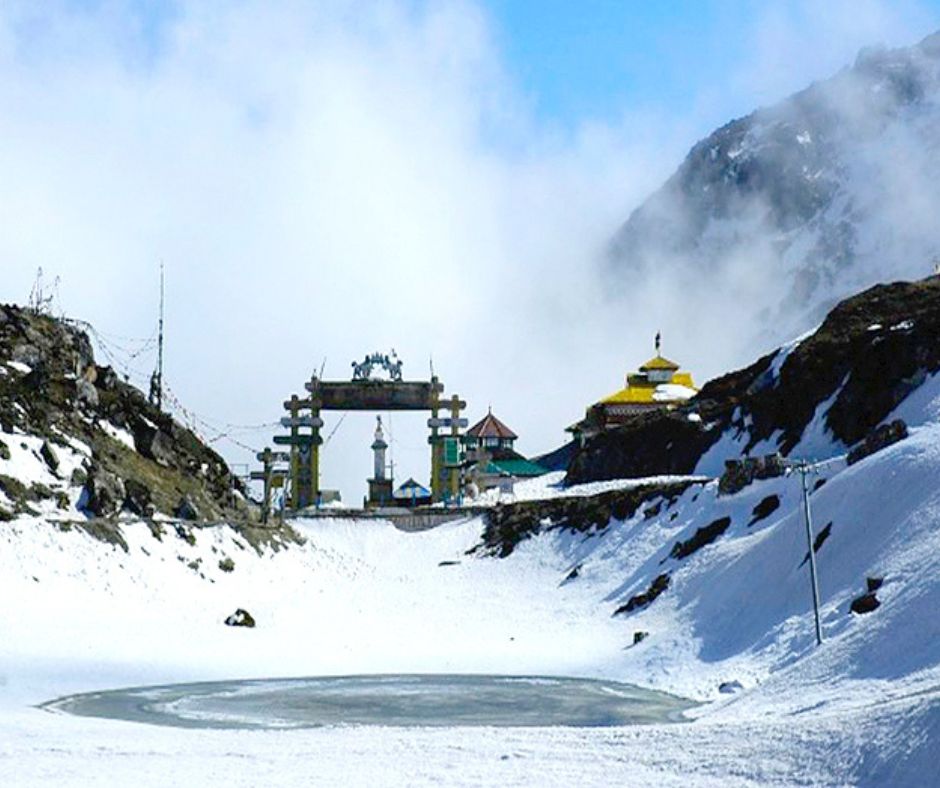
At over 13,000 feet, Sela Pass does not feel like it belongs to the ordinary world.
Most people drive through it on the way to Tawang and do not stop long enough. That is a mistake that costs them some of the most dramatic photographs of their entire trip.
The moment you step out of the vehicle and feel that cold, thin air fill your lungs, you understand why this place is worth slowing down for. Sela Lake sits nearby, completely still, deep blue, reflecting a sky that looks larger up here than anywhere else. In winter, the road disappears under snow and the whole landscape turns into something that does not look real.
Important: Altitude sickness is real at Sela Pass. Go slow, drink water, and do not rush if you feel dizzy or have a headache.
Acclimatize properly before pushing higher.
Best time to visit: April to June for clear views. December to February for heavy snow.
Bomdila: The Underrated Stop That Most People Skip Too Fast
Perfect for: Weekend trips from Guwahati, families, first-time Northeast travellers.
Ideal trip length: 1–2 days.
Reel-worthy spots: Bomdila Monastery at dawn, apple orchards in season, valley view from upper town.
Some places demand your energy. Bomdila offers something rarer in 2026, genuine rest.
This small mountain town sits between the plains and the high passes, and it carries a gentleness that surprises most travelers. The Bomdila Monastery is peaceful in a way that is different from Tawang, smaller, less crowded, easier to sit with quietly for an hour.
The local market here is not performing for tourists. It is just a market, vegetables, warm clothes, street food, everyday conversations. That ordinariness is exactly what makes it worth your time.
Local food to try: Momos from the market area and warm thukpa at local restaurants.
Weekend trip: Bomdila is reachable from Guwahati in about 6–7 hours by road, making it a good option if you have a long weekend and want to experience Northeast India without a long itinerary.
Best time to visit: October to April.
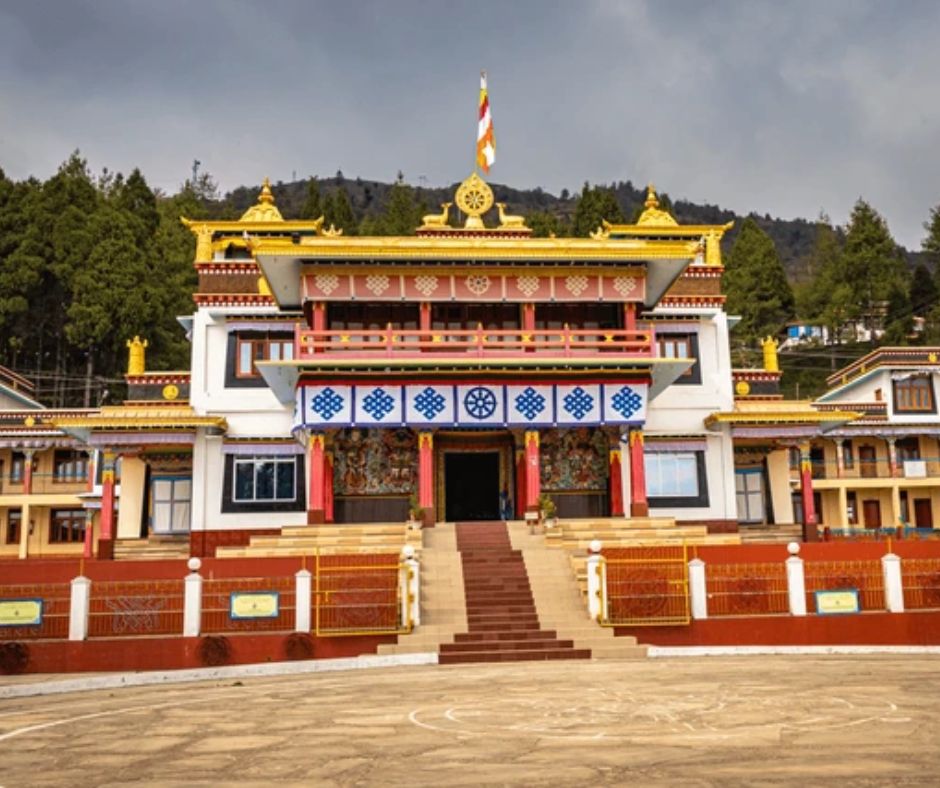
Dirang: The Hidden Valley Most People Drive Straight Past
Perfect for: Offbeat travelers, hot spring seekers, photography.
Ideal trip length: 1–2 days.
Reel-worthy spots: Sangti Valley road from Dirang, old Dirang village, river crossings.
Almost everyone passes through Dirang. Almost no one stays long enough to realize what they are leaving behind.
Tucked between mountains and cut through by a cold, clear river, Dirang does not announce its beauty loudly. It asks you to slow down and notice. The hot water springs are the kind of simple pleasure that feels almost luxurious after a long day on mountain roads. The old village above the town feels like a completely different century, narrow stone paths, old houses, and a view of the valley below that makes every travel photo look effortless.
Local food to try: Fresh kiwi fruit from local farms (Dirang is known for its fruit orchards) and local honey, which you can buy directly from sellers near the main road.
Best time to visit: March to June, and September to November.
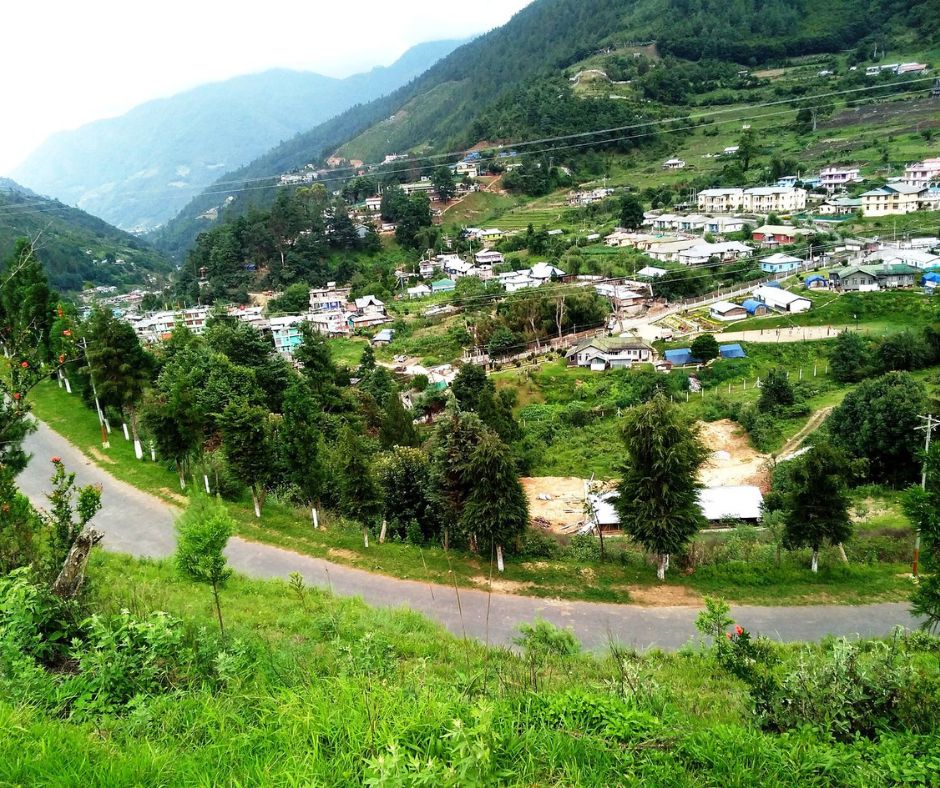
Mechuka: The Valley That Feels Like It Belongs to Another Era
Perfect for: Serious offbeat travelers, photographers, adventure seekers.
Ideal trip length: 3–4 days (journey itself takes time).
Reel-worthy spots: Mechuka valley aerial view, Yargyap Chu river, old wooden bridge.
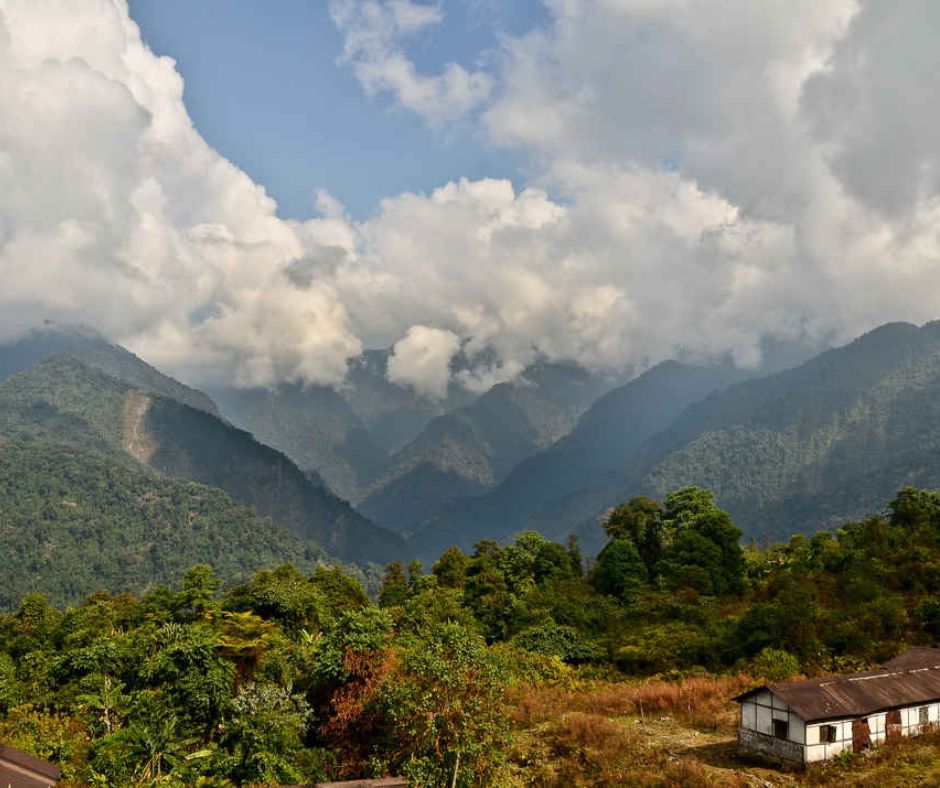
There is a moment, somewhere on the long road to Mechuka, when you realize you have left behind everything familiar.
Located near the India-China border, Mechuka is one of Arunachal Pradesh’s least visited valleys, and one of its most extraordinary.
No crowds. No Instagram tour groups. No carefully staged viewpoints. Just a valley that exists entirely on its own terms.
The journey is not easy, roads are long, the terrain is demanding, and network connectivity disappears well before you arrive. But in 2026, when every “hidden gem” has already been discovered and posted ten thousand times, Mechuka genuinely still feels like a secret.
Photography here requires zero filters. The light changes throughout the day in ways that make every hour look completely different from the last.
Honest travel note: This is not a trip for people who need comfort or connectivity. It is a trip for people who are willing to disconnect completely in exchange for something genuinely rare.
Best time to visit: October to April.
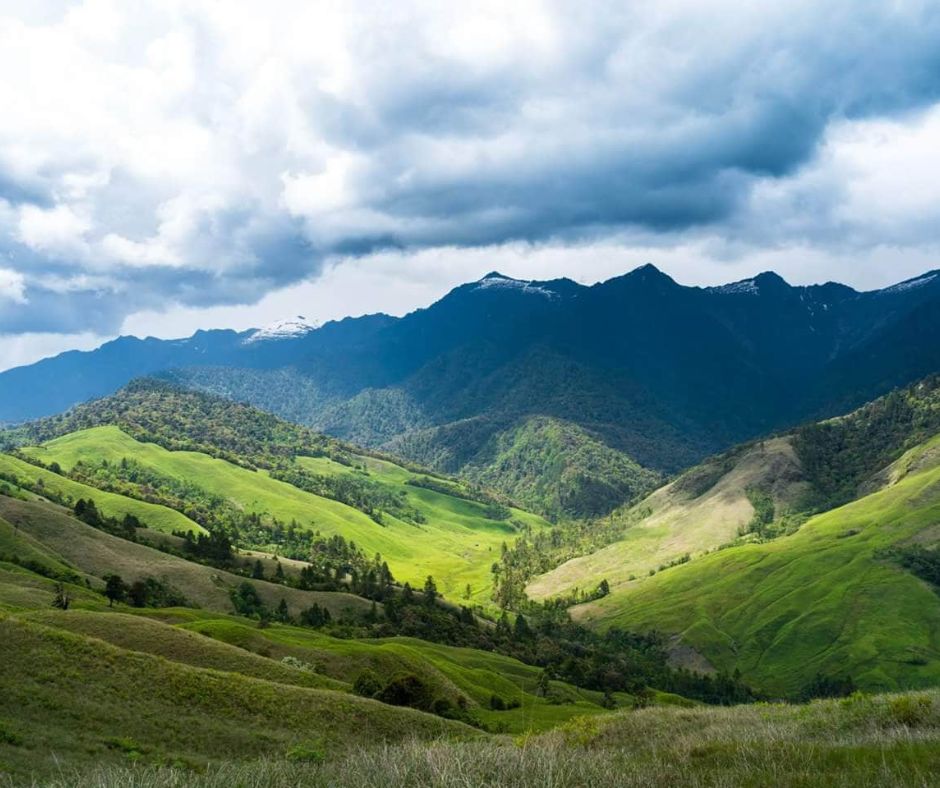
Namdapha National Park
Perfect for: Wildlife lovers, nature. photographers, trekkers
Ideal trip length: 2–3 days.
Reel-worthy spots: Forest canopy walks, river crossings, early morning birdwatching.
Not every journey is about monasteries and mountain passes. Some people come to Arunachal Pradesh for the forest and Namdapha is where the forest answers back.
One of India’s most biodiverse protected areas, Namdapha is home to four big cat species tiger, leopard, snow leopard, and clouded leopard making it one of the rarest ecosystems on the planet. The birds alone attract serious wildlife photographers from across the world.
This is not a place for people in a hurry. The forest rewards stillness and patience. Wake up before dawn. Sit quietly near the river. Let the forest come to you rather than chasing it.
Practical note: Entry requires permits and a registered guide. Plan this in advance walk-in arrangements are difficult and limit your experience significantly.
Best time to visit: October to April.
Pasighat
Perfect for: Adventure travelers, families, those who want more than mountain scenery.
Ideal trip length: 1–2 days.
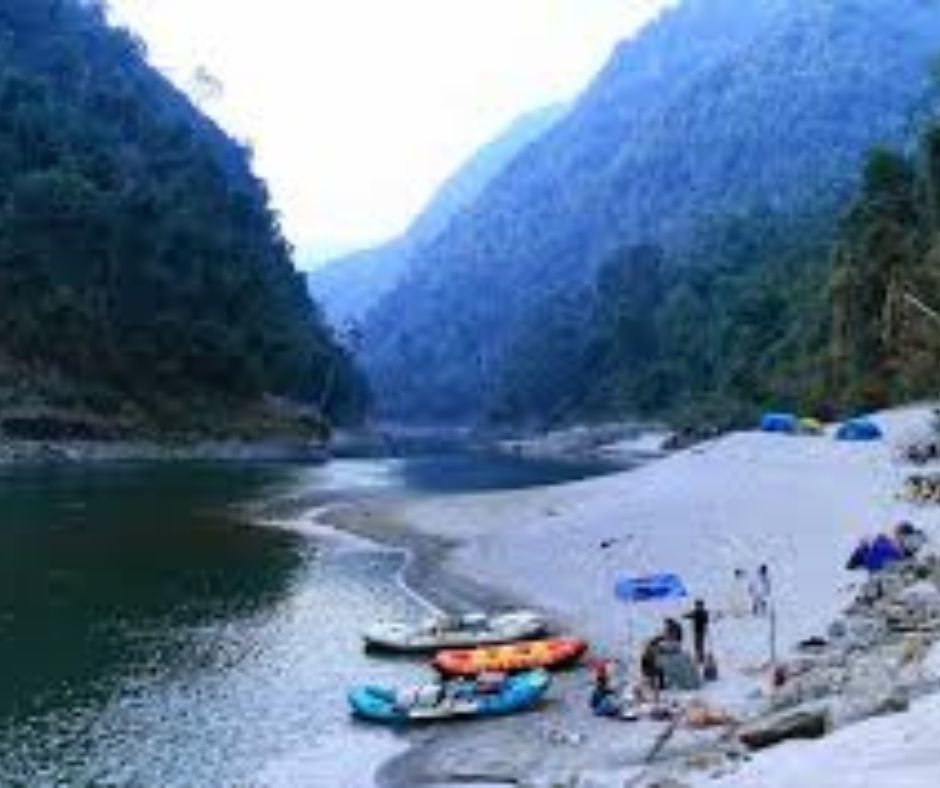
Reel-worthy spots: Siang River rafting, Daying Ering Wildlife Sanctuary, sunset over the river.
Pasighat sits at the point where the mountains finally give way, where the Siang River runs wide and fast and the air feels different from the highland cold you have been carrying for days.
For travelers used to high-altitude Arunachal, Pasighat is a genuine surprise. Warmer, greener, more open. The Siang River here is powerful enough to demand respect and beautiful enough to make you want to stay near it all day. River rafting on the Siang is one of the best adventure experiences in all of Northeast India, not heavily commercialized yet, which makes it feel much more authentic than similar experiences elsewhere.
Local food to try: Fresh river fish prepared in local style, ask your guesthouse owner for recommendations on where locals actually eat.
Best time to visit: November to April.
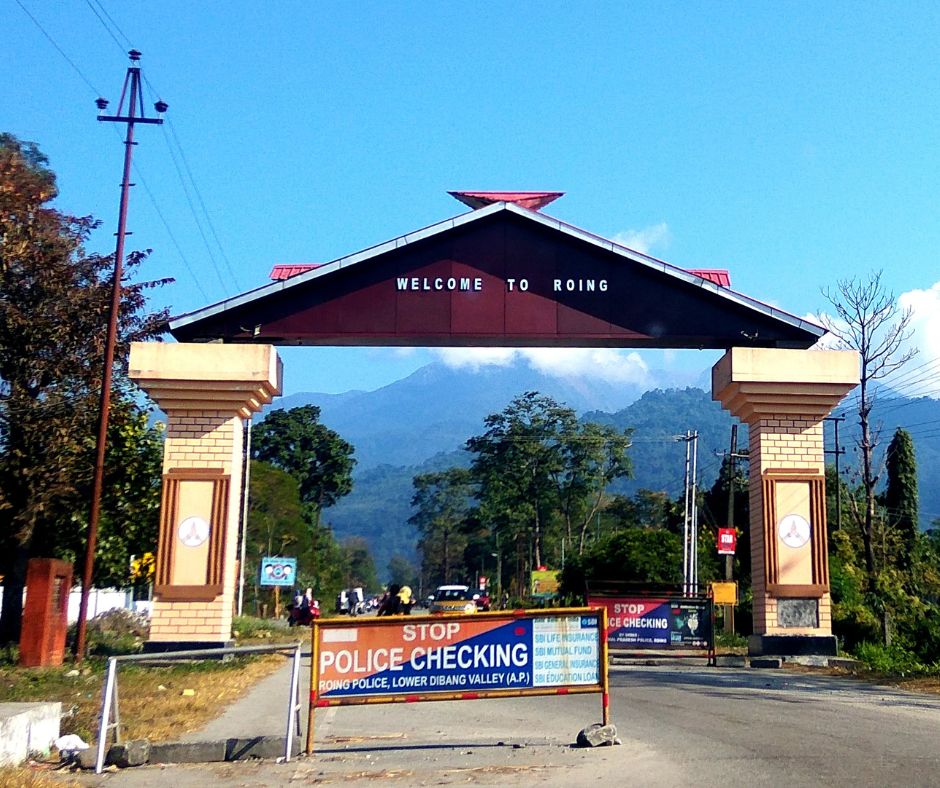
Roing
Perfect for: Repeat Arunachal visitors, trekkers, offbeat travelers.
Ideal trip length: 1–2 days.
Reel-worthy spots: Mehao Lake, Mayudia Pass, Dibang Valley views.
Roing does not compete for your attention. It simply waits for the travelers who are curious enough to find it.
Mehao Lake is the kind of place you sit beside for longer than you planned, not because there is so much to do, but because leaving feels wrong. The reflections on the water, the trees coming down to the edge, the complete absence of noise, it adds up to something that is hard to explain to someone who has not been there.
The trekking routes around Roing take you through landscapes that most tourists who come to Arunachal Pradesh never see. If you are returning to the state for a second or third trip, Roing is exactly the kind of discovery that makes the return feel completely worthwhile.
Best time to visit: October to April.
Sangti Valley: The Instagram Frame That Most People Miss Entirely
Perfect for: Photographers, nature lovers, travelers who want peace.
Ideal trip length: Half day to full day (combine with Dirang).
Reel-worthy spots: Valley panorama at sunrise, river bends, black-necked crane sightings in winter.
Most travelers hear about Sangti Valley only after coming back from Arunachal Pradesh. Do not let that be you.
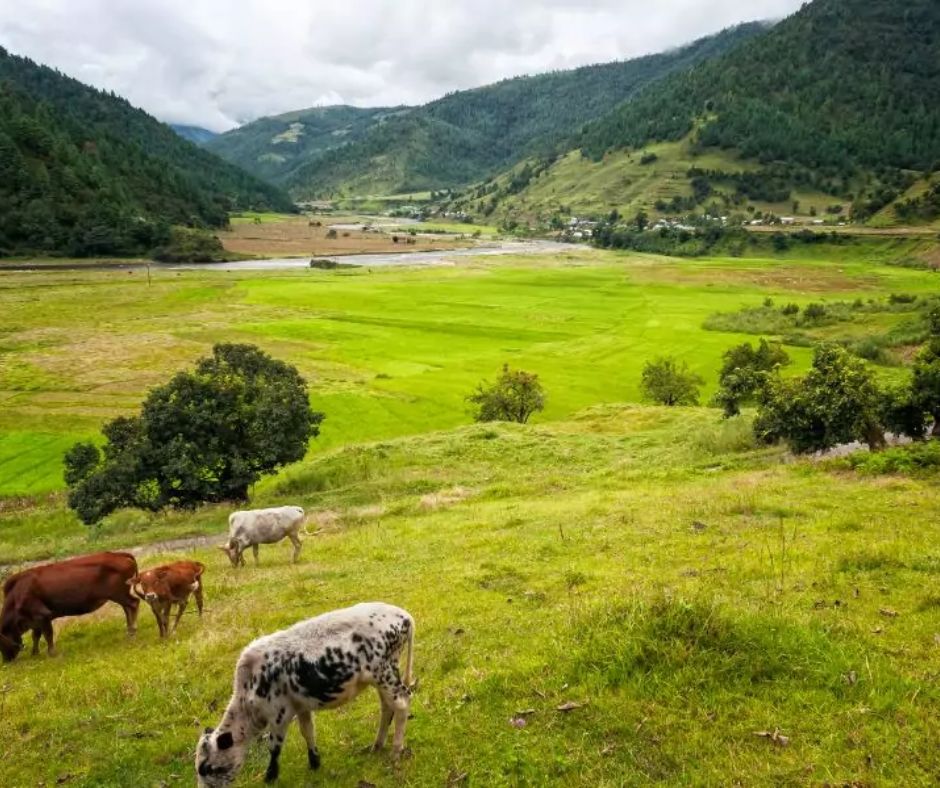
Located just a short drive from Dirang, Sangti Valley is the kind of place that does not ask anything of you. No major attractions to tick off. No crowded viewpoints. Just open land, a river running through the middle, mountains rising on every side, and a sky that seems wider here than it has any right to be.
In winter, the valley becomes a roosting ground for the rare black-necked crane, one of the most beautiful bird sightings in all of India. If you are visiting between November and February, this alone is reason enough to come.
Best time to visit: October to March. November to February for black-necked cranes.
Before You Go: Practical Things That Actually Matter
Inner Line Permit (ILP): Every Indian citizen needs an ILP to enter Arunachal Pradesh. Foreign nationals need a Protected Area Permit (PAP). Apply online at the official Arunachal Pradesh government portal before your trip, do not wait until you reach the border.
Roads and connectivity: Mountain roads in Arunachal Pradesh can be unpredictable, especially during and after monsoon season (July–September). Always check road conditions before traveling between destinations, and carry cash, ATMs are scarce in remote areas.
Network connectivity: Most remote destinations have very limited or no mobile network. Download offline maps before you travel. Inform someone at home of your itinerary.
Respect local culture: Arunachal Pradesh is home to more than 26 major tribes, each with distinct traditions. Ask before photographing people, dress respectfully when visiting monasteries and villages, and always seek permission before entering tribal settlements.
Arunachal Pradesh is not a destination you finish. Every trip ends with the same feeling, that there is more. More valleys you did not reach, more roads you did not take, more mornings you have not woken up to yet.
In a world where most travel destinations have been photographed from every angle and described in every blog, Arunachal Pradesh still holds things back. Still surprises you. Still gives you moments that belong only to you.
That is not a small thing anymore. That is everything.
Come once, and you will understand. Come again, and you will wonder how you ever thought one trip was enough.